If it’s right, it’s unnoticeable, but if it’s wrong, everyone is bothered by it. Guess what it is? Exactly, light! Good lighting is much more important than you think. It defines the atmosphere of a room and ensures that the space is used optimally. Everything can be removed from a room: a chair or a table, but not the light. It’s perfectly fine to sit on the floor while eating, or work with a laptop on your lap, but without light, you’re lost in the darkness. In short: it all starts with good lighting.
When we hear the word ergonomics, we often think of good posture or the correct adjustment of a desk. However, ergonomics goes much further than that. It’s about adapting the environment to the individual, so that they can function optimally. A very important—but easily overlooked—component of this is lighting.
“If the light is right, it goes unnoticed, but if it’s wrong, it bothers everyone.”
Why is lighting so important?
Especially during dark winter days, indoor lighting is more important than you might think. We turn on our laptops in the dark in the morning and don’t close them until it’s dark. We don’t see much daylight during the winter months, even though it’s essential for our health. Light provides a sense of rhythm, concentration, and energy.
Not only does light help you see things, it also defines the atmosphere of a room and promotes concentration and focus. Light also creates a natural sense of rhythm. For example, you’re awake during the day when the sun shines, but you naturally become tired in the evening when it gets dark. This is because light affects your energy level. This explains why you often feel more tired on dark winter days than in summer.
Good lighting: what is it?
Cliché or not, the best lighting is right in the middle. It’s not too bright or too dark, and neither too warm nor too cool. As a rule of thumb, optimal office lighting has a temperature of 4000 Kelvin. That’s relatively white light, which makes you alert. The ideal lighting for working!
It’s also important for lighting to have light coming from multiple angles. The lighting plan should include multiple light sources. This way, every spot gets the same amount of light, and no one is bothered by shadows or glare.
Finally, the quality of the light is important. This is indicated by a lamp’s UGR value. A Unified Glare Rating (UGR) is a figure that indicates the degree of glare. By considering a lamp’s UGR value, you ensure that the lighting doesn’t cause glare when someone looks into it. Good office lighting should have a UGR value of no more than 19.
“You can remove everything from an interior, for example a chair or a sofa, but a room is not usable without light.”
Human Centric Lighting
The sun’s 24-hour rhythm influences who we are and what we do. Our eyes connect light and darkness to our bodies. The intensity, color, duration, and direction of light have a significant impact on this. To ensure that everyone can perform optimally in the workplace, HCL is used in the design of a space. Human Centric Lighting (HCL) places people at the center of the lighting design. HCL considers the influence of light on the biological clock and adapts the design of a space accordingly.
The importance of good lighting design
The lighting plan runs parallel to the interior design. Lighting should be addressed from the very beginning of the design process. Unfortunately, it’s often the case that construction or renovation projects begin with little or no thought given to lighting. What a shame! Light is essential for optimally utilizing a space. By collaborating with a lighting designer and involving them in discussions with the architect, electrician, and other professionals working on the project, you can ensure everyone is on the same page.
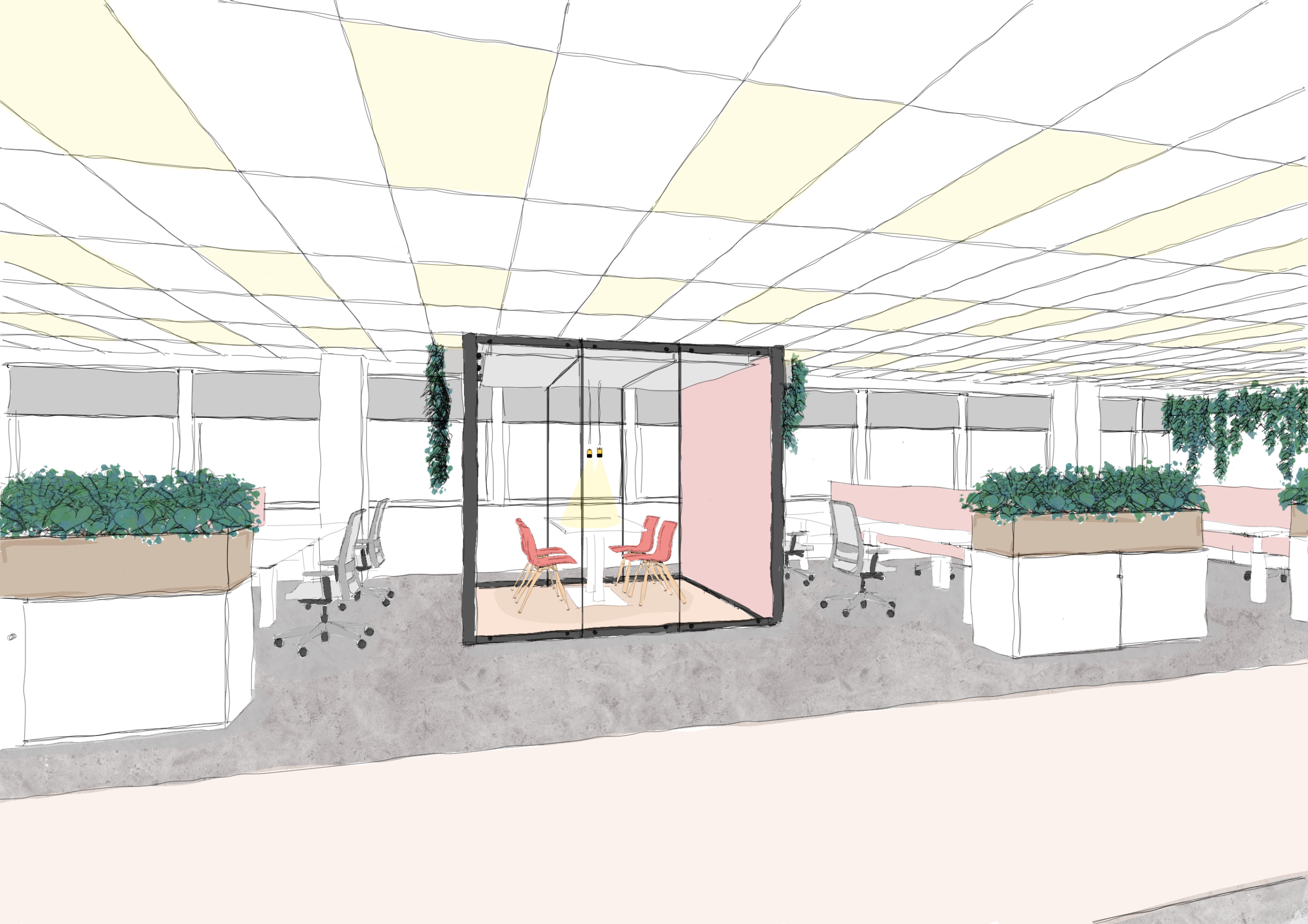
A good lighting plan considers the light, function, and layout of the space. Daylight can penetrate up to three meters into a room. If there are desks more than three meters from a window, then daylight should be simulated in these areas. In a meeting room, bright light is desirable to promote alertness. For the social heart of the office, ambient lighting is appropriate, as it creates a sense of intimacy and promotes coziness. Furthermore, it is important that all workstations are adequately lit for optimal use.
“A good balance between daylight, artificial light, and the furnishings together create an optimal experience of a space.”
The perfect light fixture
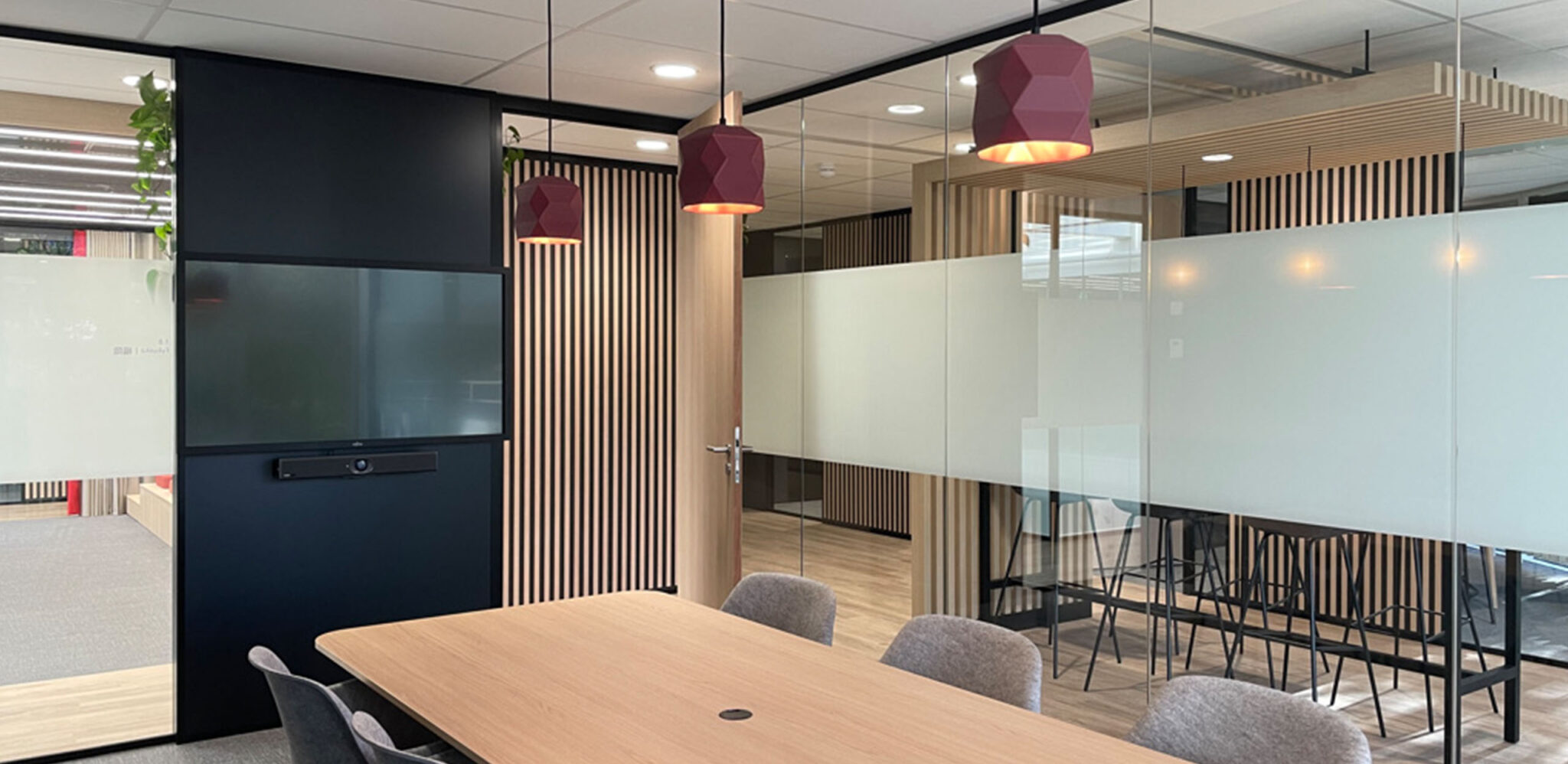
The selection of lighting fixtures is enormous, from modern, large fixtures to small, intimate spotlights. When choosing a new fixture, it’s understandable that you might feel a bit lost. It’s important that the style of the fixture complements the interior, but also consider its function. For example, there are emergency lighting fixtures, such as the green sign that guides people to the emergency exit. A fixture can also contribute to location recognition; in the theater, it’s desirable that all eyes are focused on the spotlights. Mood lighting helps guide the audience where they should be looking.
Fixtures are important. They should be installed correctly, ensuring they overlap smoothly. This allows the light to flow evenly throughout a room. If the fixtures aren’t hung correctly, dark spots will appear in the room, or some areas will be overlit. A fixture offers an excellent opportunity to combine art and light. Looking for a unique fixture with a unique story? Browse our collection of light fixtures .
The experience of a space is determined by the balance between daylight, artificial light, and furnishings. When the balance is off, spaces can be perceived as unpleasant or employees can’t perform optimally. A customized lighting design ensures an optimal environment for all office visitors.
A custom lighting design?
Curious about the lighting situation in your office? Have our lighting experts visit you for a free consultation. Contact us . We’d be happy to discuss it with you!